
Posts
Welcome to a world of limitless possibilities, where the journey is as exhilarating as the destination, and where every moment is an opportunity to make your mark.
-

The Rapid Support Forces (RSF), a paramilitary group that controls most of western and southern Sudan, declared its own government on April 16.1 The declaration follows two years of a bloody civil war marred by the RSF’s genocide, ethnic cleansing, and crimes against humanity towards the Massalit ethnic population in West Darfur, Sudan.2 A UN…
-
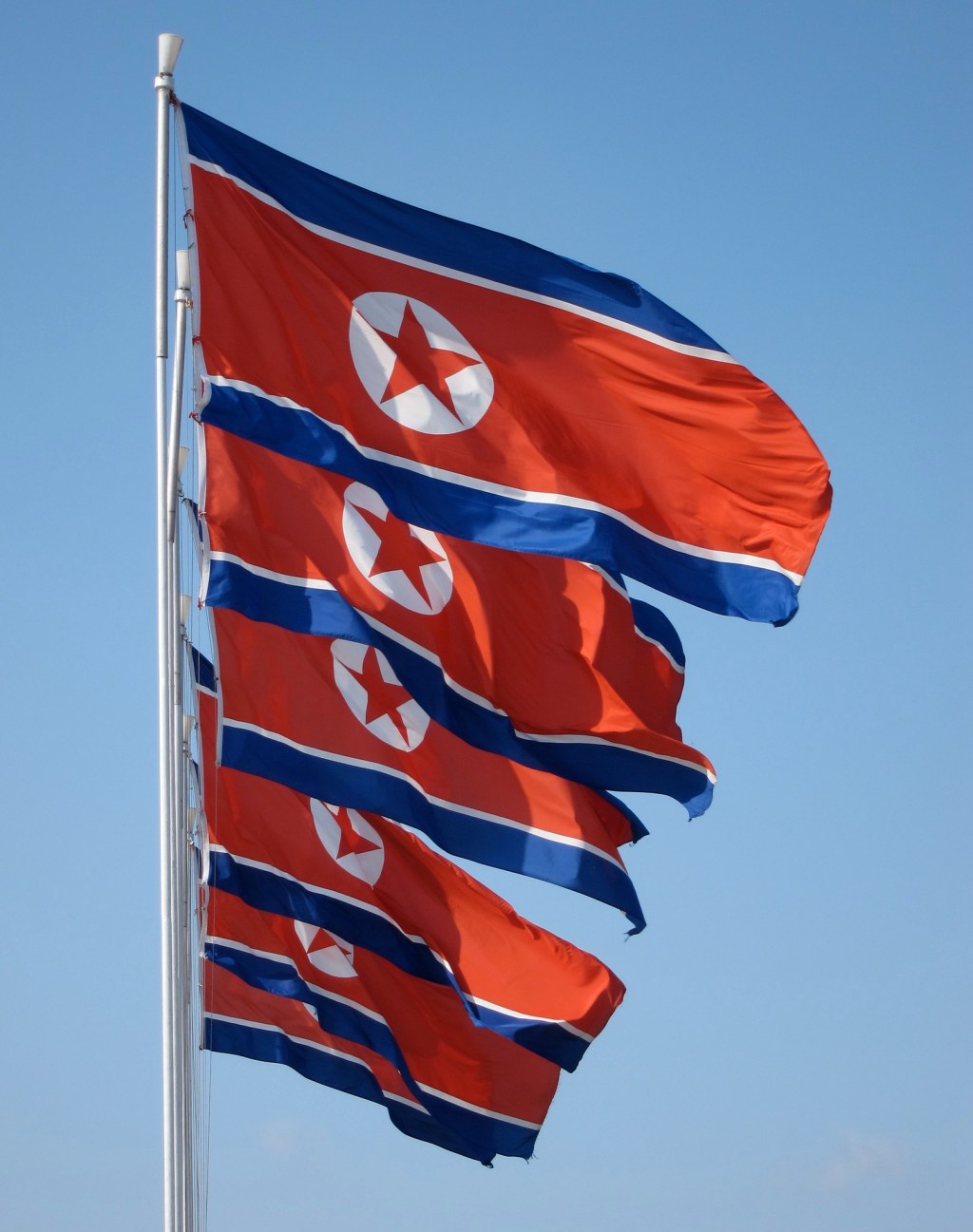
In 2017, United States Secretary of State Rex Tillerson announced an initial ban on American travel to the Democratic People’s Republic of Korea (DPRK). This was extended by Secretary Mike Pompeo in 2018. The ban was a direct response to the arrest of Otto Warmbier, an American college student who was arrested in North Korea…
-
This article was originally included in our Fall 2024 edition. China’s Belt and Road Initiative (BRI) is a large-scale global infrastructure project launched by China’s President Xi Jinping in 2013. The span and ambition of the BRI is truly global, with a staggering 147 countries involved in joint projects or expressing interest in participating.1 With…
-
This article was originally included in our Fall 2024 edition. During the 1950s, United Nations Peacekeepers (UNPKs) were characterized by their flagship blue helmets and commitment to stabilizing conflict zones. However, by the 21st century, blue helmets were increasingly associated with human rights abuses, especially sexual violence, often shielded by immunity from international prosecution. If…
-
This article was originally included in our Fall 2024 edition. In the 19th century, Britain and China met in two key places: (1) In the British West Indies white planters imported Chinese indentured labor, and (2) In China British and Chinese troops fought over the legalisation of the opium trade. Both meetings, aided by the…
-
This article was originally included in our Fall 2024 edition. Abhinav Poludasu, BA International Relations (Hons.), King’s College London In 1989, American political scientist Francis Fukuyama famously wrote in his essay “The End of History?” that liberal democracy triumphed over all other ideologies and that this spread of liberal governance and free-market capitalism is a…
-

This article was originally included in our Fall 2024 edition. On September 13th, The Wall Street Journal published an article entitled “Kim Jong Un’s Latest Flaunt: A Secret Nuclear Site Now Shown in Public.” The piece describes how North Korea’s burgeoning relationship with Russia has given the hermit kingdom the confidence to flagrantly display its…
-

This article was originally included in our Fall 2024 edition. The world’s eyes are turning to East Asia, and any prediction that Donald Trump intends for isolation in the pacific theater should be quashed by his choice of Secretary of State, Marco Rubio, a man who has stated that “Communist China is the powerful adversary…
-
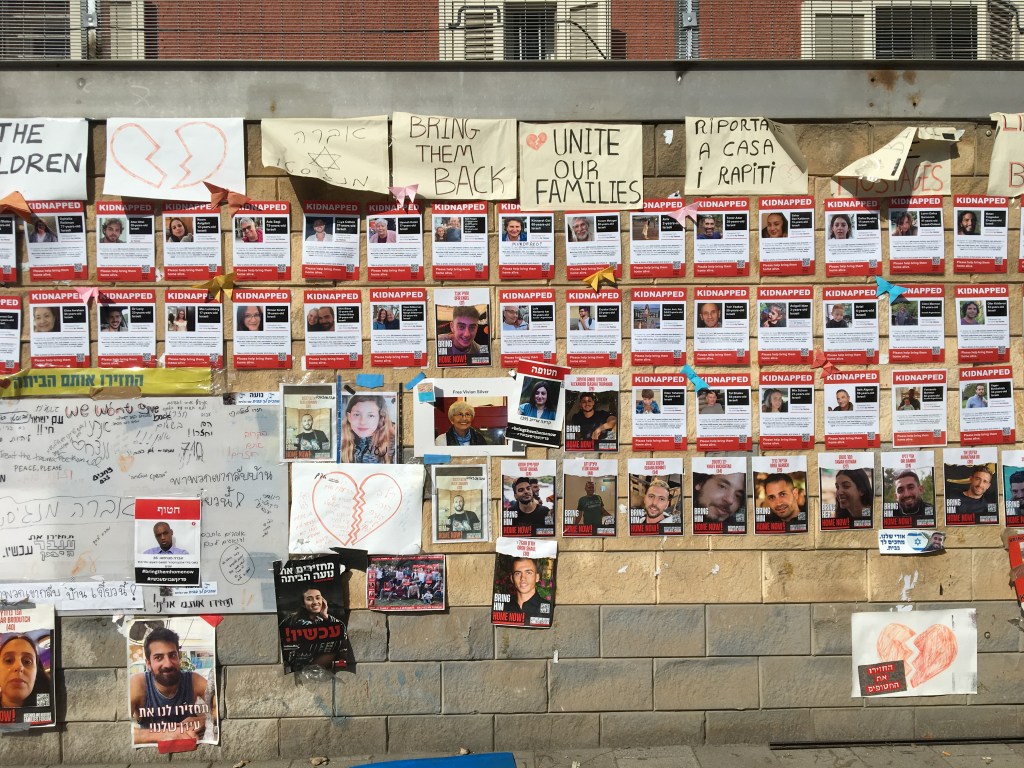
This article was originally included in our Fall 2024 edition. Hostage diplomacy, the malevolent counterpart of a prisoner swap, is on the rise. While the exchange of spies, political prisoners, or prisoners of war is typically a routine product of diplomatic negotiations, this tradition has been recently corrupted by the practice of “wrongfully detaining people,…
-

This article was originally included in our Fall 2024 edition. In 2022, the United Nations Refugee Agency reported 43.4 million global refugees. 1 In the last two years, that number has only grown, much of which is tied to climate change and its impacts. Climate change increases both the prevalence of natural disasters and temperature…
-

This article was originally included in our Fall 2024 edition. The presence of North Korean troops on the Russian front in Ukraine is suggestive of a shift in Supreme Leader Kim Jong Un’s foreign policy and toward more active acts of aggression. This is true for both satellite and direct conflicts, as the administration has…
-
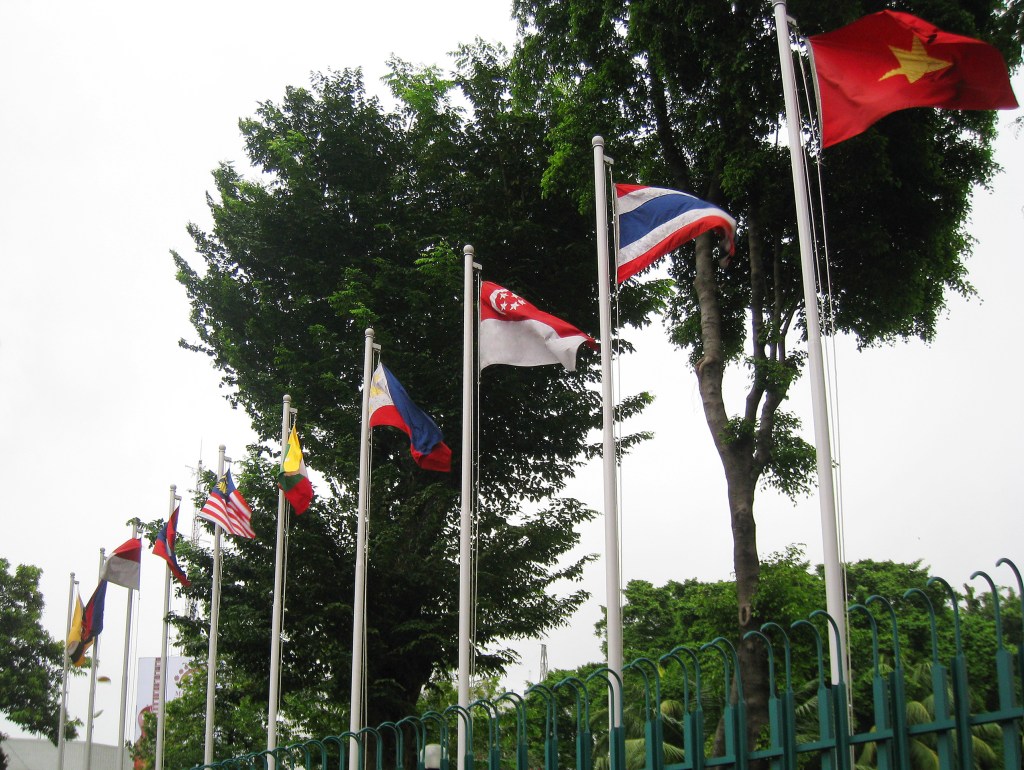
This article was originally included in our Fall 2024 edition. I. Introduction China recently, in mid-October, undertook a massive military exercise in the Taiwan Strait that experts pegged as a rehearsal for blockade. Such ongoing posturing by the Xi government has put Taiwan and many of its ASEAN neighbors on edge. Southeast Asian nations have…
-

This article was originally included in our Fall 2024 edition. On Tuesday, November 5th, 2024, the United States entrusted Donald Trump with another four years in charge of the country’s foreign policy. The election comes at a critical time for the North Atlantic Treaty Organization (NATO), an intergovernmental organization critical to Western collective military defense,…
-

This article was originally included in our Fall 2024 edition. In February of 2022, Russia illegally invaded Ukraine, declaring war on the territory. Despite Russia’s frequent threats against Ukraine throughout the 21st century, many scholars were shocked at such confrontational behavior. In reality, Russia’s actions come as no surprise—the signs began with protests against NATO…
-

This article was originally published in May 2024 in our Spring/Summer 2024 Issue 08. Russia’s fingerprints in Africa remain despite the current war in Ukraine, with the rogue nation continuing to consolidate its economic and military ties in the region. In 2023, the Russia-Africa Summit proceeded on schedule and demonstrated to the world that Russian…
-

Johns Hopkins University student Victor Aldridge provides commentary on tomorrow’s second round of the Brazilian presidential election.
-

When picturing a protracted armed conflict between two sovereign nations in the 21st century, one may conjure to mind images of tanks rolling through villages, or perhaps fighter jets flying menacingly overhead. Clamoring crowds around empty shelves at a grocery store, however, is a far less likely picture. Since Russia’s unprecedented invasion of Ukraine in…
-

The Olympics is widely regarded as the largest sports event in the world. As much as the Olympic motto advocates for pure sports spirits, the Olympics have always created political implications. Host countries are often incentivized by the opportunity to show the world its strength, to increase collective confidence in their people by winning medals,…
-

The signatories of the Joint Comprehensive Plan of Action, or Iran Nuclear Deal as it is colloquially known in the United States, are slowly moving toward revival of the ill-fated agreement. Almost 10 years after negotiations began for the JCPOA, lines of communication have been reopened in order to update and adjust the agreement so…
-
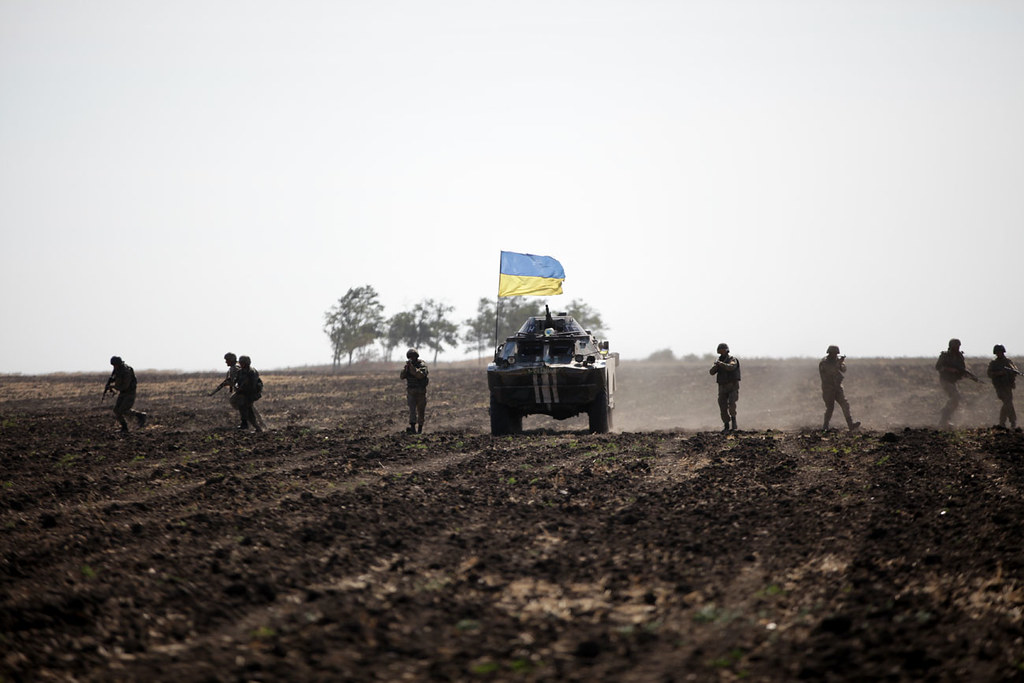
Ever since the first missiles flew and the first tanks rolled across Ukraine’s borders in late February of 2022, it would be easy to assume that everything not related to repelling the invasion froze in place. For most of the world, the overwhelming majority of media coverage about Europe’s largest country by land area became…
-

In the aftermath of the Cold War and the wake of globalization, a new type of organized violence emerged. The “new war” blurs the distinctions between traditional warfare, privately organized crime, and large-scale human rights violation, which marks its growing illegitimacy. Kaldor attributed this shift to “the intensification of global interconnectedness – political, economic, military…
-
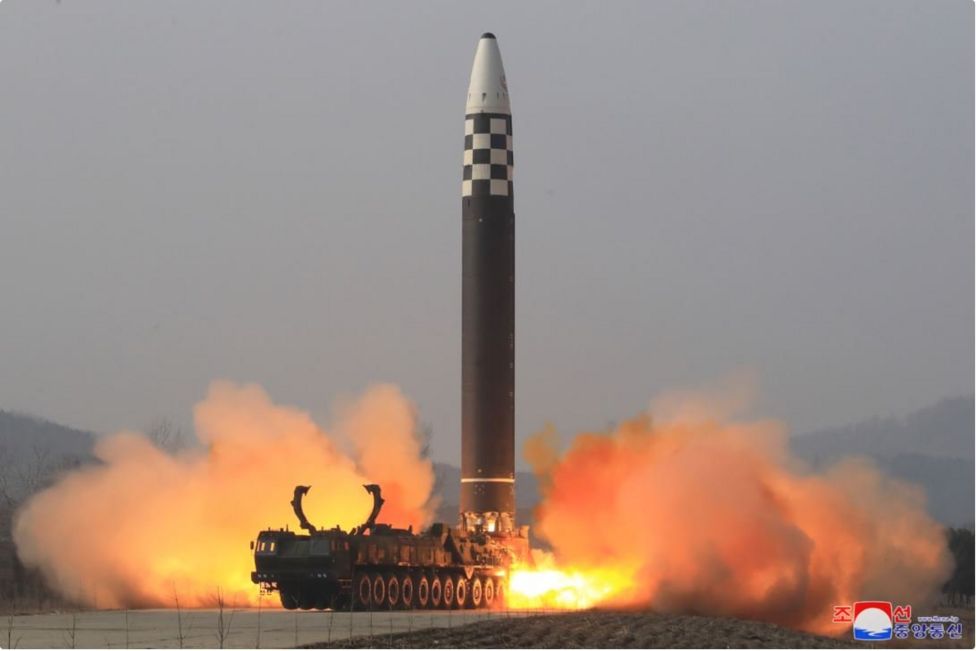
North Korea launched its latest and largest intercontinental ballistic missile (ICBM) on March 24th, 2022. This signals an alarming escalation of arms accumulation by North Korea since 2017. With the entire world focused on the Russian invasion of Ukraine since February, this turbulent time could be the perfect opportunity for North Korea to resume its…
-

In 2015, the far-right populist Law and Justice Party (PiS) won a majority in the Parliament of Poland under the lead of President Andrzej Duda. The rhetoric of Duda, along with many parliamentary candidates, relied heavily on common populist tropes of anti-immigrant sentiment. The political campaign was largely successful due to racially-based fear of incoming…
-
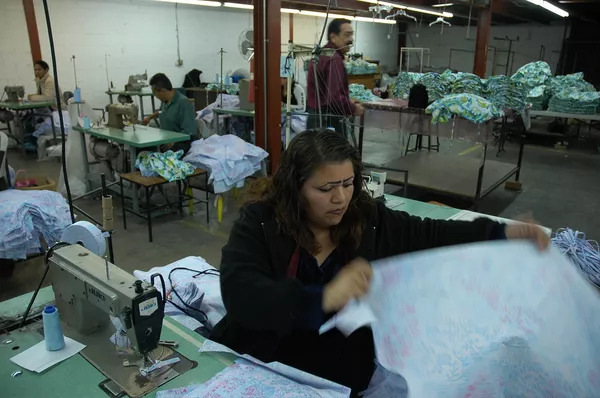
However, despite the benefits for foreign retailers and Mexican maquilas, working conditions and wages are strongly affected by retailer practices and the exploitation of loosely enforced regulations. Together, the impact of poor working conditions and external pressure on workers highlights human rights concerns throughout the maquila industry and reveals the actual cost of such a…
-

On Wednesday, March 9th, Congress passed a massive spending bill, signed by President Biden on Tuesday, March 15th, averting the government shutdowns that plagued the Trump administration. The 1.5 trillion dollar spending bill has ended months of negotiations and disputes between Democrats and Republicans and has left party leaders on both sides with both wins…
-

Globally prominent pieces of South Korean media, such as Squid Game and Parasite, represent a growing discontent with the conditions which have been created and engendered by global neoliberalism. South Korea represents a particularly salient microcosm of this from its historical context as a strategic incubator for American capitalist development and the implications of the…
-

With the United States clearly positioning itself to take a much more active role militarily in East Asia–a proposition that necessarily brings increased attention to Guam’s strategic advantage–it is critical to understand how the United States’ current relationship with Guam exemplifies an unequal framework that denies Guamanians influence over the United States’ military policy that…
-

On the surface, it would appear that the landscape of German politics is moving further left with the first victory of the center-left party in nearly 20 years. The Green Party’s reentrance to the governing coalition for the second time in their history furthers this sentiment. Still, the nominal change in party leadership conceals a…
-
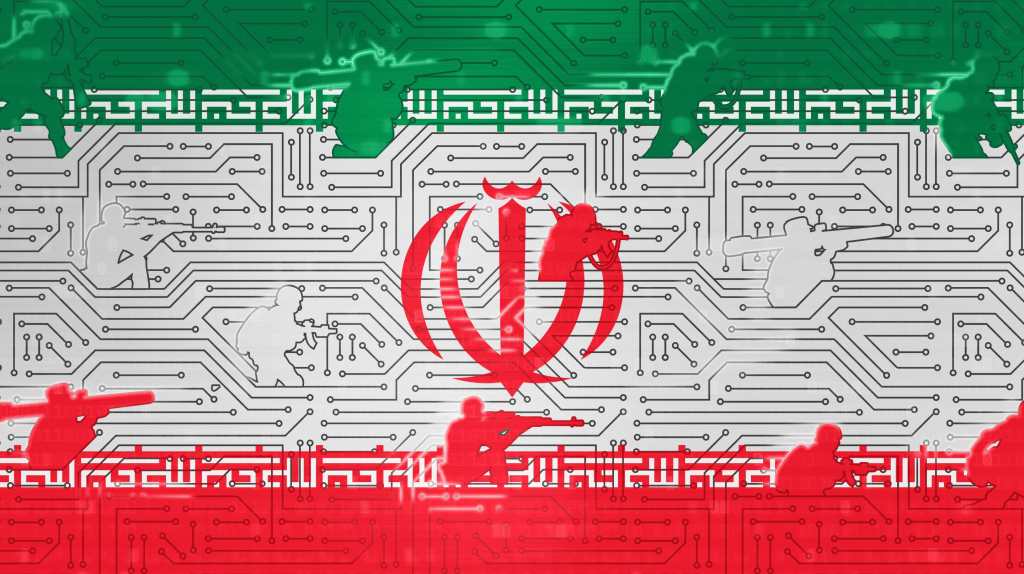
Since the 1979 revolution, Iran has been expanding its network of proxy groups across the Middle East and using them as a major strategy to expand its regional influence (Lane). As cyber space emerges more prominently as a new battlefield in the recent decade, Iran has become one of the most active actors in cyber…
-
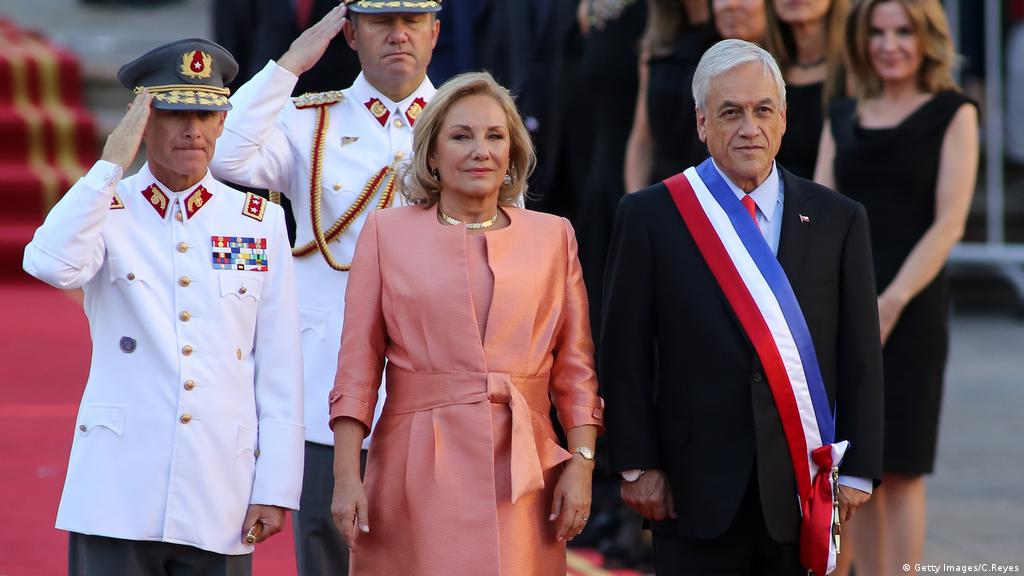
The International Consortium of Investigative Journalists (ICIJ) is a non-profit organization that uses journalism and investigations to expose international truths and hold people in power accountable. In its history, three investigations stand out amongst others, especially the most recent of the three, published just over a month ago. The Panama, Paradise, and Pandora Papers were…
-

Over the past week, leaders from over 200 countries met in Glasgow for COP 26. This was the 26th meeting of the signatories to the United Nations Framework Convention on Climate Change (referred to as the Conference of the Parties), and featured delegates from all around the world, representing nations, NGOs, and different industries. Meetings…
-

“The public sphere” refers primarily to a realm of our social life, accessible to all citizens, in which something approaching public opinion can be formed. [1] The emergence of the internet and online communication has caused a dramatic shift in the conception of the public sphere. Modernity has provided the basis for the democratization of…
-

The 26th Conference of the Parties to the United Nations Framework Convention on Climate Change (COP 26) has officially begun✝. There are high expectations for the conference, which is expected to be the most important climate meeting since that which produced the 2015 Paris Agreement. Six years later, global progress has left much to be…
-

China stands alone among developed economies for its lack of property tax, a status that it has maintained over the years despite being the second largest economy in the world. However, with the nation’s largest real estate giant Evergrande tipping on the edge of a default crisis, the government may finally be compelled to cast…
-

Situated near the major maritime choke point at Bab el Mandeb and along the Gulf of Aden, Somalia is strategically placed in the global maritime navigation and trade network. Under this backdrop came the golden age of Somali piracy (2007-2012), which is almost exclusively predicated on a method of hijack-and-ransom, constraining the seamless flow of…
-
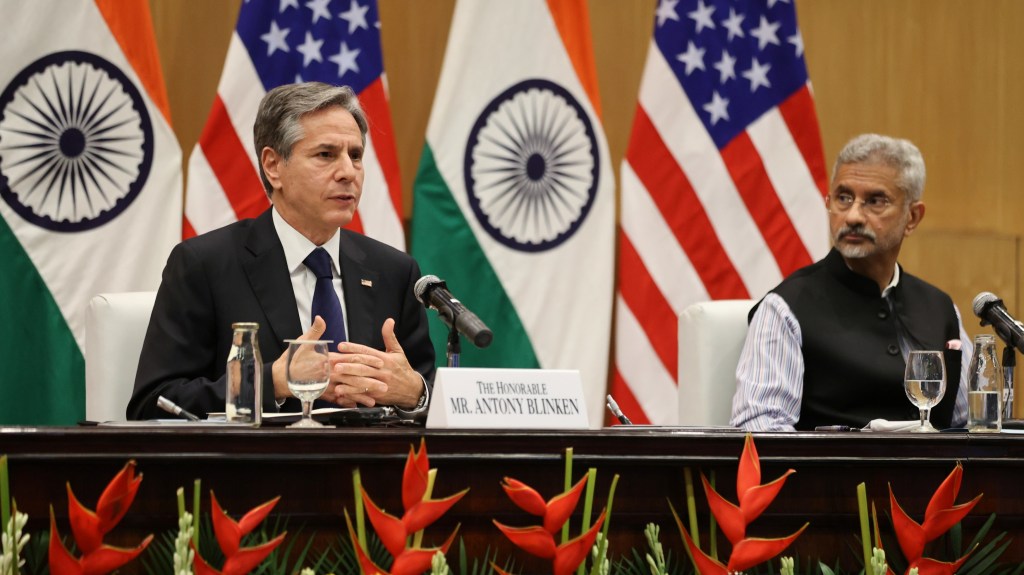
Religious freedom has been on attack within India for the past decade as rampant discrimination against religious minorities becomes increasingly enshrined within the legal language of the country. Despite the right to freedom of religion being clearly outlined within the 1949 Constitution of India and the country’s accession to the International Convention on Civil and…
-

“I don’t think the overwhelming majority of countries in the world would recognize that the universal values advocated by the United States… would serve as the basis for the international order.” [2] Expressed by Director Yang at the March 2021 US-China Alaska summit, it’s the latest verbal attack on the US-led world order and its…
-

The coronavirus pandemic overwhelmed the world in 2020 and will likely continue its effects in 2021. In the grand scheme of global crisis, people are disproportionately affected across different social groups, especially those who have already been in disadvantageous positions. Currently, women around the world are facing unique but severe problems because of preexisting social…
-

Information gives people leverage to have autonomy over their lives. Unfortunately, information does not reach every sector of society—or rather, truth is not a universal resource. In a world of affinity-based media, it has proved to be a challenge for readers to discern correct representations of what’s happening from distorted versions. This challenge highlights the…
-

In his foundational study on post-Cold War American power, Joseph Nye spoke to an alternative or ‘soft,’ form of power that lies in attracting others willingly to your position by fostering in them empathy or envy self-identification or aspiration. [1] Culture, both high and low, signals society’s values, which together with its practices and policies…
-

The current COVID-19 vaccine distribution efforts are no exception to the division in access to resources between higher income countries and lower and middle-income countries. As of March 19, high income countries have purchased over 4.6 billion doses of COVID-19 vaccine, which is more than the amount of vaccines purchased by countries classified as upper-middle…
-
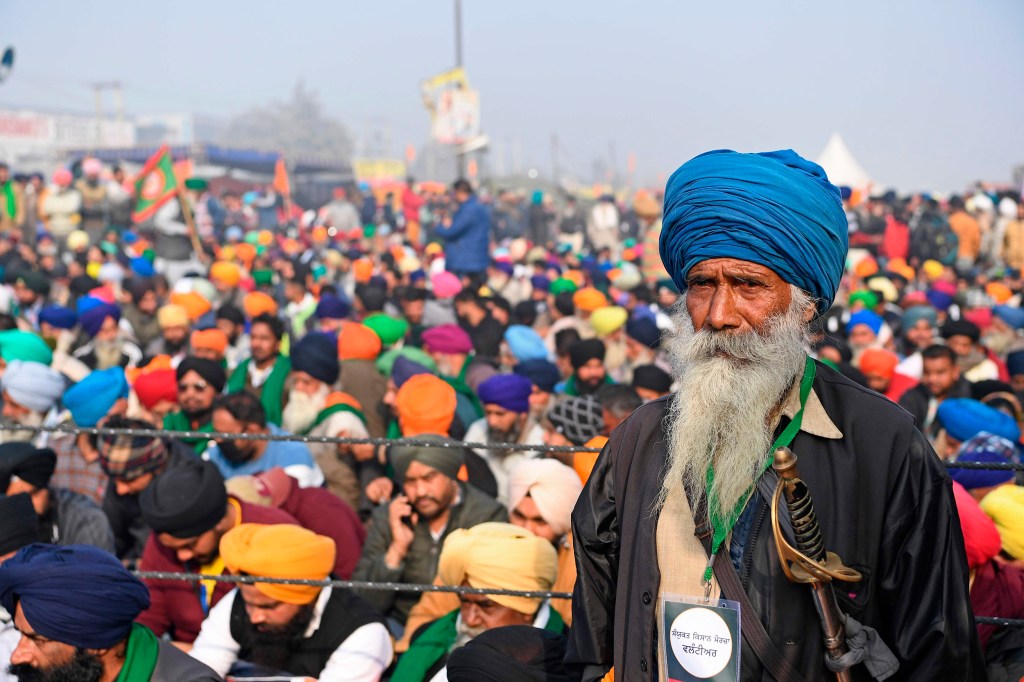
Punjab’s kisaan movement is the largest general demonstration in human history. An estimated 250 million people took action, that is 1 in 4 working persons. [1] And the protests continue to this day. In September 2020, Prime Minister Modi passed the Indian Agriculture Acts of 2020, or the Farm Bills, as an attempt to deregulate…
-
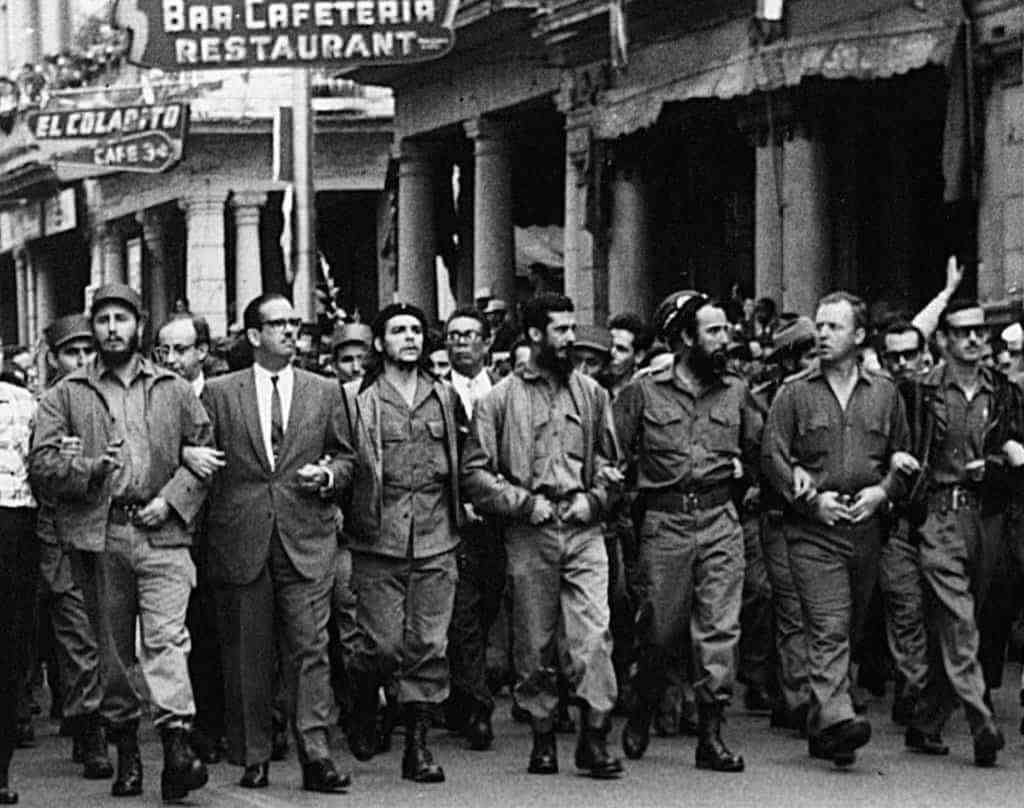
When most Americans think of revolution in Cuba, their minds immediately go to the revolution of 1959, which ended with the establishment of the first socialist government in the Americas. The 1959 revolution, however, was hardly the first revolutionary moment to sweep the largest island in the Caribbean. For three decades from the 1860s to…
-

China is on the rise. So is its pride in itself, its culture, and its form of government. Nowhere is this more evident than China’s “wolf warrior diplomacy,” or zhanlang waijiao, the new diplomatic practice adopted by Chinese diplomats after President Xi Jinping took office. It takes its name from the successful 2017 Chinese action…
-
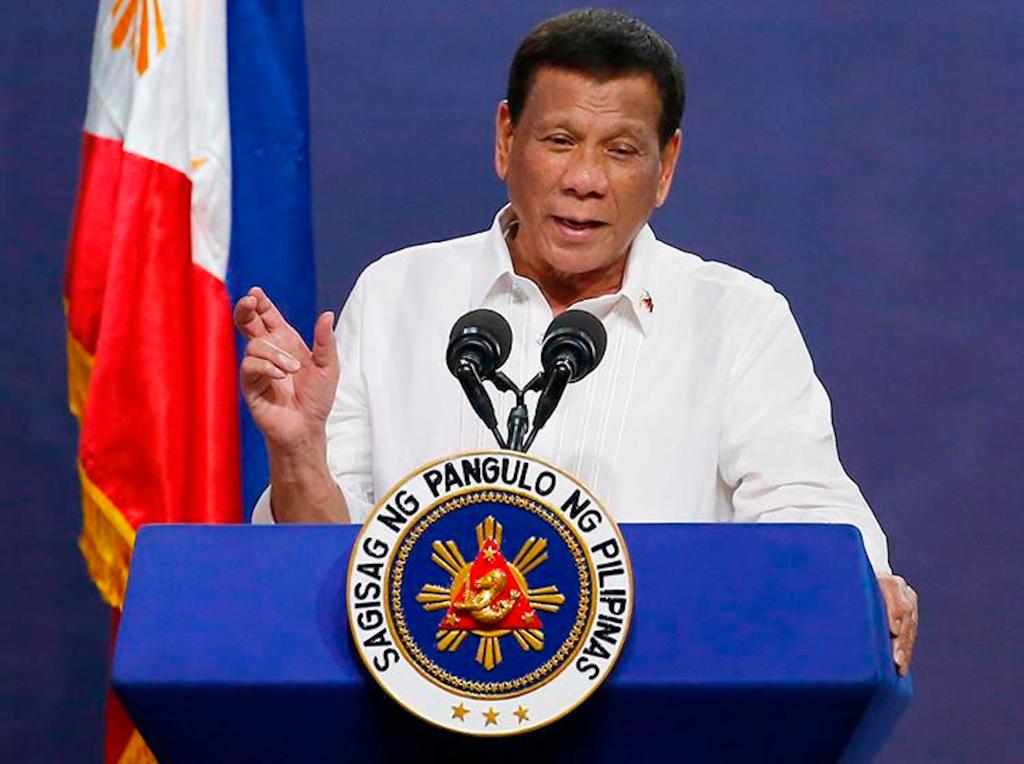
Since assuming office in 2016, Philippine President Rodrigo Duterte has constantly had the world on its toes, waiting with baited breath for what his next move may be. Since ascending to the presidency, Duterte has garnered a reputation — one which seemingly cannot be constrained by borders — for his highly controversial and incendiary comments…
-

When the Oxford-AstraZeneca vaccine released its initial clinical results, it was hailed as a necessary and game-changing candidate. Compared to the vaccine race’s other “winners”, Pfizer and Moderna, AstraZeneca was widely viewed as an accessible, affordable alternative that required less stringent storage conditions. [1] Like other leading vaccines, the AstraZeneca shot can drastically reduce severe…
-

This past October, the Charlie Hebdo cartoons provoked another deadly incident. After a French teacher showed cartoons of Prophet Muhammed to his class, he was beheaded by one of his students. Days later, three people were killed in front of a church in Nice. President Macron labeled the incident as an “Islamist terrorist attack.” [1]…
-
The last decade has shown an increase in foreign-spread disinformation through social media, which has been especially highlighted in recent US and EU elections. In May 2018, Christopher Wylie, a whistle blower from Cambridge Analytica, told Congress, “If a foreign actor dropped propaganda leaflets by aeroplane over Florida or Michigan, that would universally be condemned…
-

Fox News, CNN, and MSMBC consist leading cable news in the United States in 2020, a mix of liberal and conservative. [1] Chosun Ilbo, Joongang Ilbo, Dong-a Ilbo are the three most highly circulated newspapers in South Korea, all three of them conservative. As a native Korean, I’ve always wondered how the US has such…
-
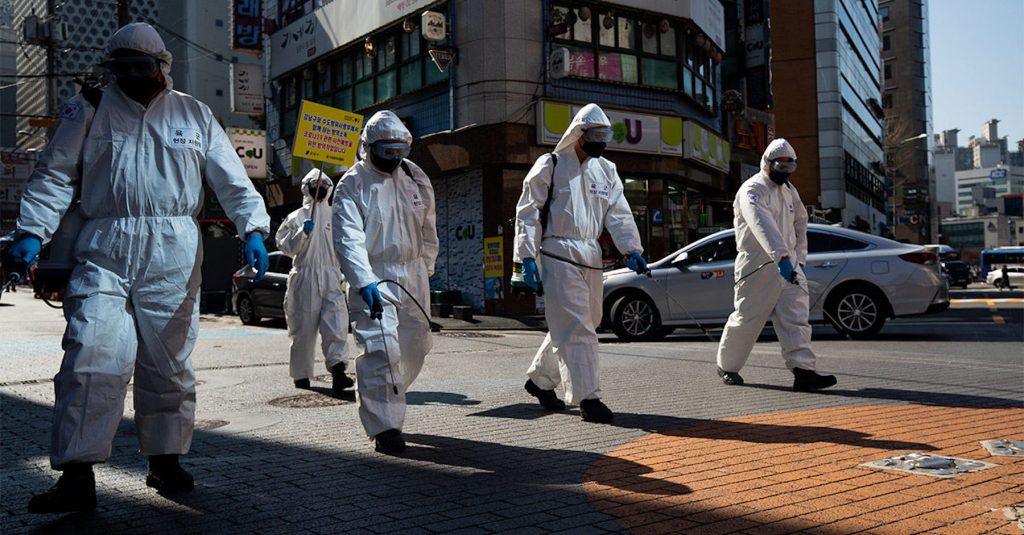
Since the start of the Covid-19 pandemic, the United States has stood out for its failure to contain the virus’ spread. Meanwhile, governments in places such as Vietnam and China (after its initial attempts to conceal the existence of the virus) have been noted for the ways in which they have stopped the spread of…
-

Since the 1980s, Hollywood films have become an artistic manifestation of American economic dominance. The industry’s major distributors have been able to leverage U.S. foreign power to pave the way for a new international market in countries that have historically shielded their domestic film industry. In 2019, the international box office hit a record $42.5B…
-

It would be the understatement of the century to say that the COVID-19 pandemic has negatively disrupted nations’ economies. In the Southeast Asian region, where economies are considerably dependent on tourism, economic recovery has been particularly brutal. However, many of these Southeast countries have compromised democratic ideals to revive the economy. For example, Thailand has…
-

As Joe Biden unexpectedly became the Democratic nominee after his rival, Bernie Sanders, conceded, there was much debate about how Joe Biden would be able to attract voters to his left. Before the Democratic National Convention, many within the Bernie Sanders campaign were able to push Joe Biden to adopt somewhat more progressive stances on…
-
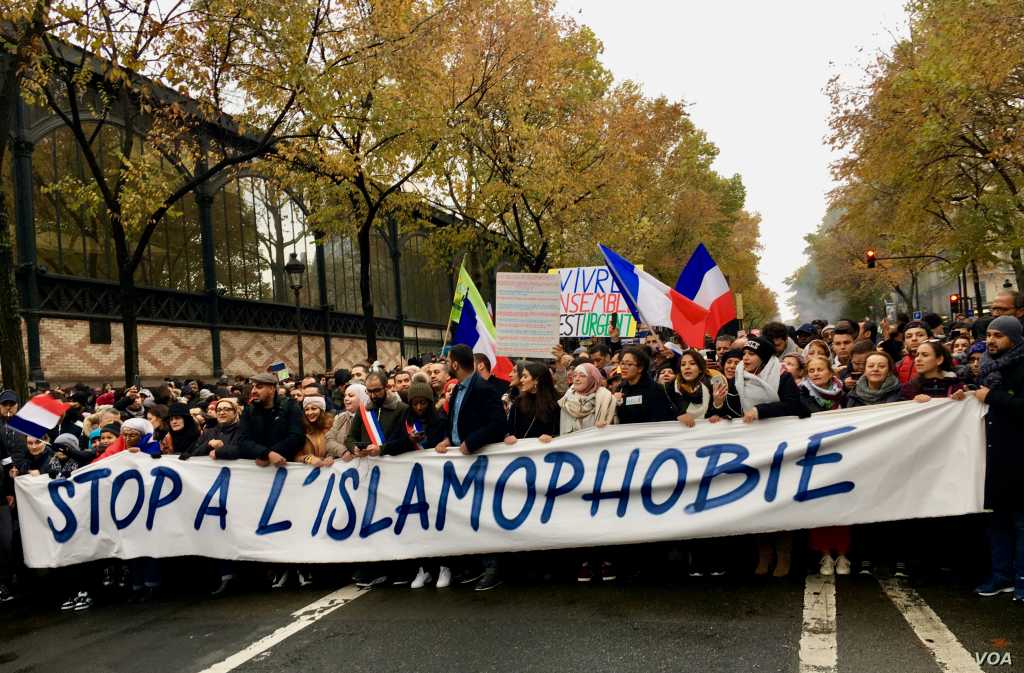
Liberté, Egalité, Fraternité. The national motto of France. Liberty, Equality, Fraternity. Unless, you are a Muslim.
-

On November 8th, 2020, Luis Arce was sworn in as the third president of the Plurinational State of Bolivia. [1] Before serving as the presidential candidate for the Movimiento al Socialismo party, Arce served as Economic Minister under its previous leader, Evo Morales. During his tenure, he implemented policies that delivered economic growth rates far…
-

In a 2019 interview with Time, North Korean diplomat-turned-defector Thae Yong-Ho boldly predicted, “Materialism will one day bring change.” [1] Like Thae, many North Korea watchers are betting on the power of pop culture and its ability to take down a 75-year-old regime. But is North Korea’s trajectory really pointing toward collapse? And if so,…
-

Three years ago, the world was shocked to learn the news of the attempted ethnic cleansing of the Rohingya, a minority Muslim group primarily residing in the majority-Buddhist nation of Myanmar. In August of 2017, Myanmar military forces began entering Rohingya villages at random, killing indiscriminately and then leveling their structures to the ground. Global…
-

For every 1,000 individuals, 5.4 are subjected to inhumane treatment under a modern-day institutional adaptation of slavery: human trafficking. With 40.3 million victims across an array of trades ranging from forced labor to sex cartels, human trafficking has grown to become the second largest international crime industry, accruing approximately $32 billion dollars annually due to…
-
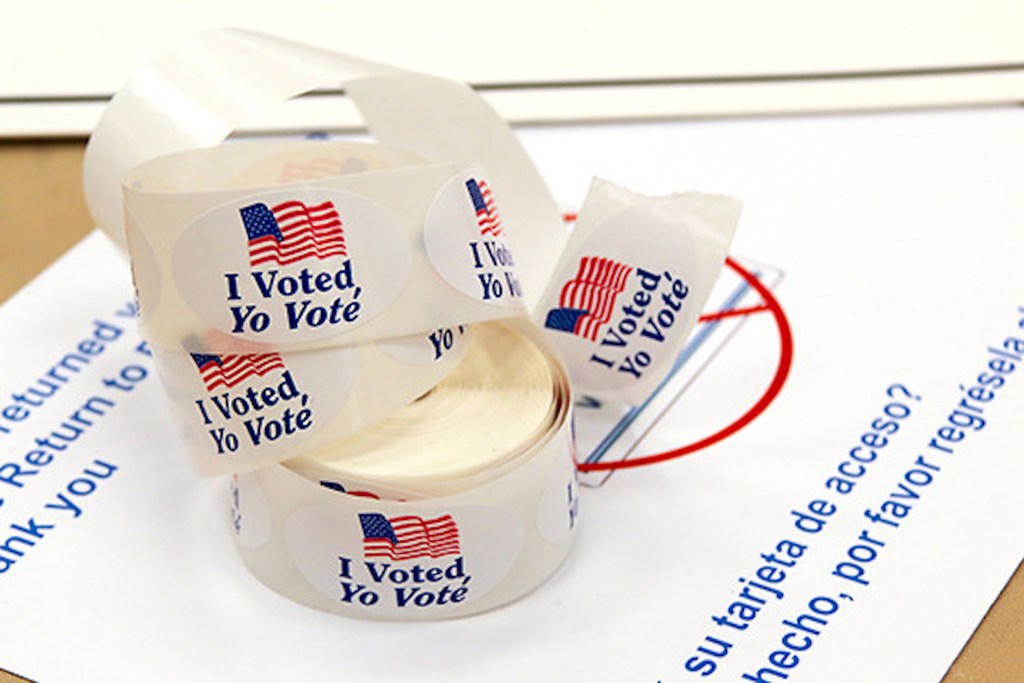
This year’s U.S. voter turnout is nothing worth bragging about. Don’t get me wrong: it’s still worth celebrating. The 2020 election was heralded as a breakout year for American voters. Though counts are ongoing, the election is projected to have record-breaking turnout numbers. According to the University of Florida’s United States Election Project, the turnout…
-
What is FAR? Foreign Affairs Review is an undergraduate-run journal sponsored by the International Studies Program at Hopkins and the International Studies Leadership Council. FAR publishes articles covering a variety of international relations issues, including political science, history, economics, sociology, and area studies. Our aim is to showcase undergraduate work and encourage more students to…
-
FAR Issue I (2019-2020)
-

Israel has stood as a unique example of a stable democracy in the Middle East for decades. However, in the last several years, political science scholarship has begun to raise questions as to whether Israeli democracy is under threat. Given the evidence that Israel is experiencing democratic backsliding, in what manner is this occurring, and…
-
There are many factors that contribute to the connection amongst Latin American countries: a similar culture, a strong passion for celebration, a love for soccer, essentially equal religious beliefs and a shared painful history of subjugation. However, in the past year, another aspect of these nations has become even more characteristic: massive movements that embody…
-
Hong Kong, returned to China from British colonial government in 1997, maintained its prosperity and economic status under the “one country, two systems” framework. Although the Chinese government promised people of Hong Kong high autonomy, including an independent legal system, continued capitalism, and access to international institutions and conferences, protests against Chinese governance have been…
-
Just as Mitch McConnell said, Jim Mattis’s departure from the Department of Defense more than a year ago was distressing. He was confirmed by a 98-1 vote after gaining a waiver from the National Security Act of 1947 that required a seven year waiting period between a retired military personnel could seek the Secretary of…
-
A major feature of contemporary humanitarian aid is the idea that it is an apolitical embodiment of human good and compassion, one which transcends all ideologies and cultures. It is from this delusion that many of the inadequacies of the practice stem.
-

“The time of the nation has come.” [1] These are the words of Marine Le Pen, former French presidential candidate, president of the National Rally party in France, and alleged “populist.” Populism is the international phenomenon that has been sweeping European countries for last decade, prompting a flood of analyses from leading political thinkers. As…
-
In his 1980 State of the Union address, President Jimmy Carter announced a new doctrine for American foreign policy, saying, “…let our position be absolutely clear: An attempt by any outside force to gain control of the Persian Gulf region will be regarded as an assault on the vital interests of the United States of…
-
Although Denmark joined the European Communities in 1973 and has been an integral member of the European Union since its founding in 1993, the country still uses krone as its currency, rather than the euro. As a country with good economic performance, it has much to gain from joining the eurozone and becoming a more…
-
The millions of refugees entering Europe during recent years have found the warmest reception in Germany, where 1 in 8 residents is of foreign national origin. Germany has made significant strides towards effectively and permanently relocating and integrating refugees into the country. However, there are still policy opportunities to ensure that refugees are able to…
-
While all eyes seem to be fixated on Brexit, it is important to remember that the European Union is grappling with another crisis: the erosion of democracy, particularly in Poland and Hungary. In the wake of right-wing populist governments flouting democratic values, rule of law, and human rights, it is the responsibility of the EU…
-

The disparity between liberalism and socialism is rooted in their different levels of analysis—the individual versus the collective proletariat— their contrasting opinions on the role of the state, and their opposing conclusions on the future of European states’ societal and governmental structure.
-
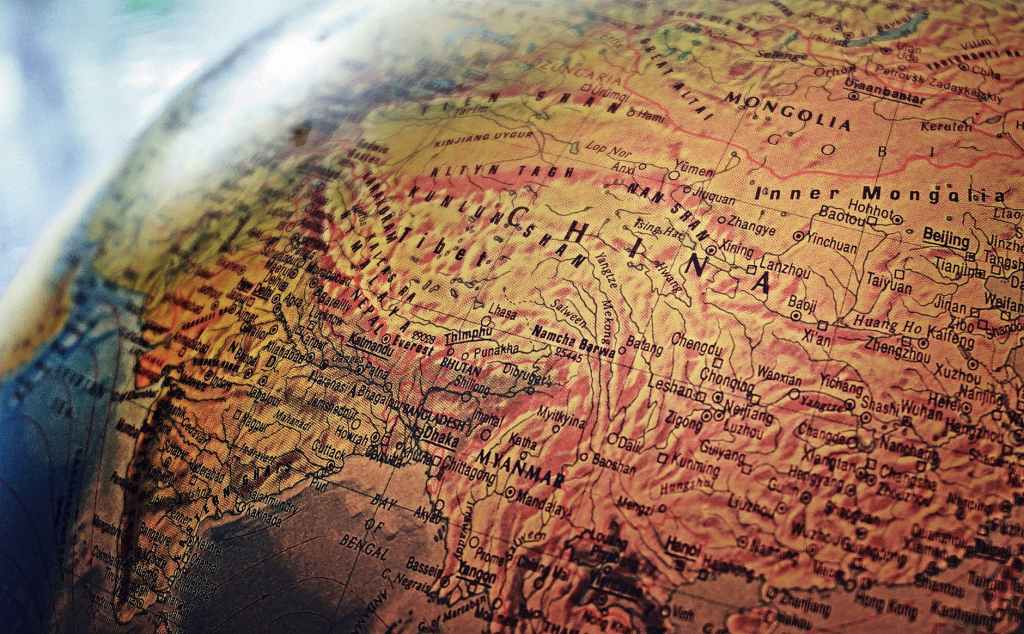
While Realism accounts for a large portion of China’s motivations, first and second level analysis, constructivism and feminism help explain the timing, magnitude and issue of alternatives to Chinese land reclamation activities.
-
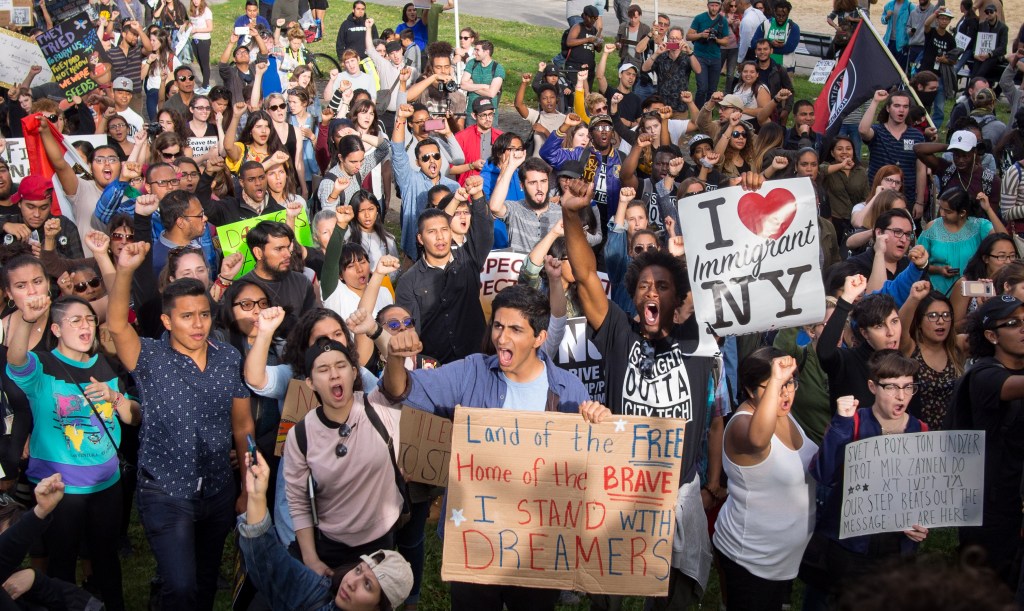
The movement to defend the rights of immigrants, particularly those of Latinx undocumented immigrants, was spearheaded by youth in the 1980s and 1990s.
-

The intersection between migration and development is a complicated nexus of factors, including the impacts of migration patterns on development. One interesting migration phenomenon that greatly impacts development is known as brain drain.
-
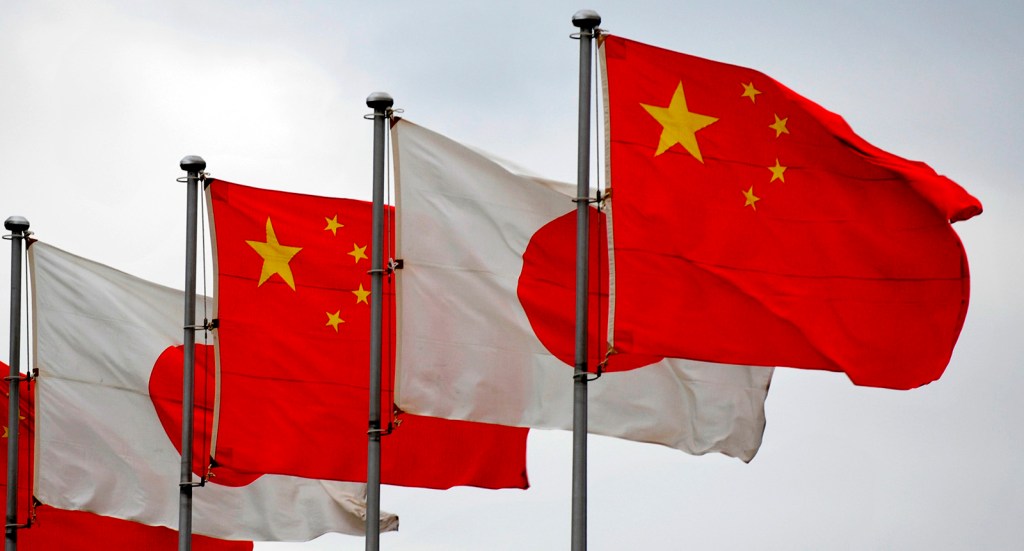
Most developed nations are currently facing post-Great Recession economic sluggishness that has responded inadequately to both traditional fiscal and monetary policy tools. While the sources of this crisis lie in a vast array of social, political, demographic, and economic problems, one key issue for East Asia, in particular, is consumer spending.
-
[T]he UN Treaty on the Prohibition of Nuclear Weapons (UNTPNW), signed on July 7, 2017 … prohibits “nuclear weapons use, threat of use, testing, development, production, possession, transfer, and stationing in a different country.” The analysis in this paper will show that realist theories of international relations best explain why nuclear powers did not sign…
-

North Korea’s nuclear arsenal poses a monumental threat to its neighbors throughout Asia. South Korea and Japan, however, are in particular danger due to their proximity to the rogue nation and their ties to the United States.
-

Squelching the voice of the Honduran populace either through the election of illegitimate political actors or the improper removal of legitimately elected officials by a series of military coups–as recently as eight years ago–Honduras remains a democratically fragile state.
 Foreign Affairs Review